Die innere Organisation des SFB 1280 geschieht in der Mitgliederversammlung. Einmal jährlich sind alle Mitarbeitenden eingeladen, die gemeinsame Richtung des Verbunds zu besprechen, Entscheidungen abzustimmen und die zentralen Gremien zu bestimmen.
SFB 1280 Der Vorstand
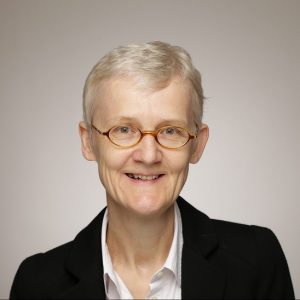
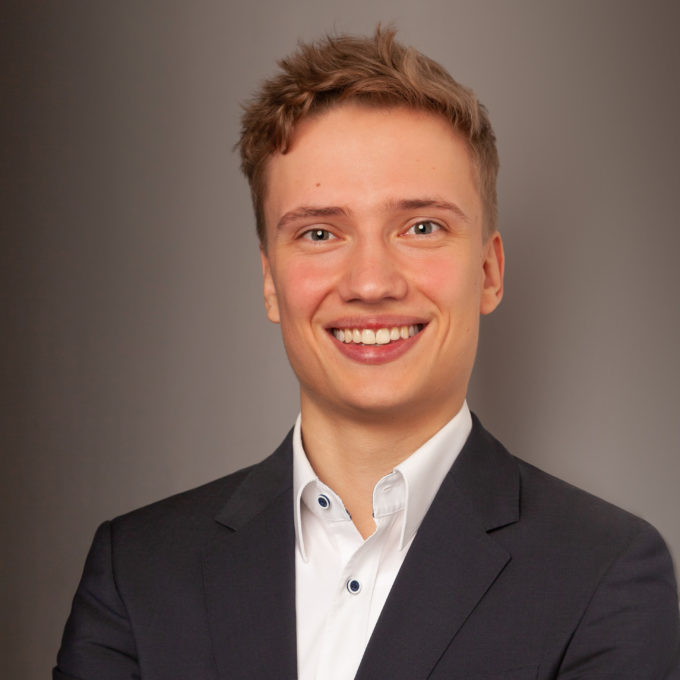
Onur Güntürkün Sprecher des SFB 1280, Teilprojektleiter A01, F01, Z und Ö Lehrstuhl für Biopsychologie, Ruhr-Universität Bochum
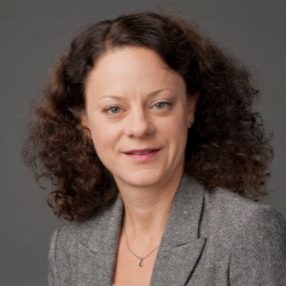
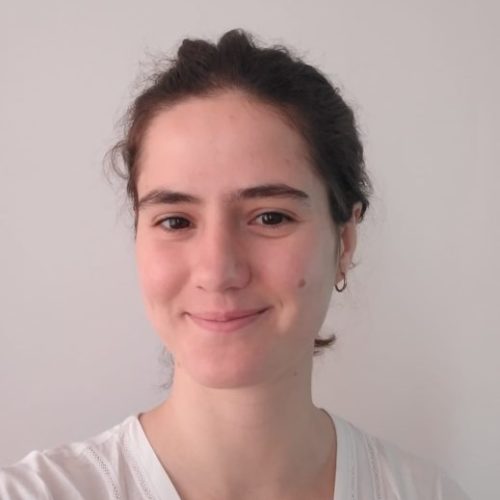
Dagmar Timmann Ko-Sprecherin des SFB 1280, Teilprojektleiterin A05 und F02 Klinik für Neurologie, Universitätsklinik Essen
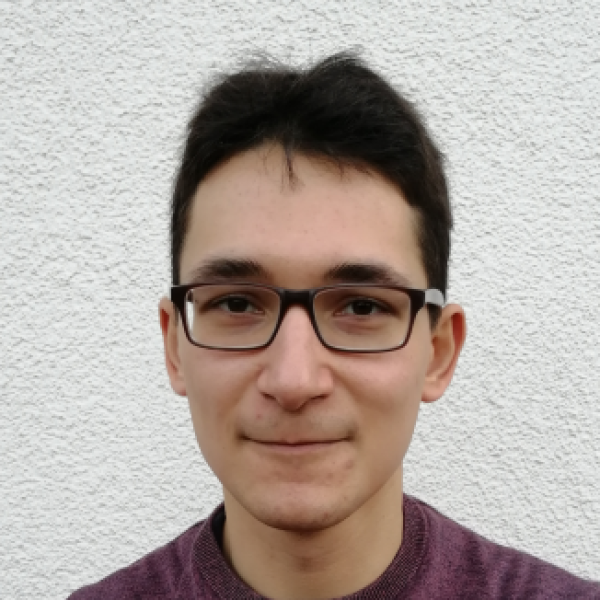
Nikolai Axmacher Teilprojektleiter A02, A03 und F02 Institut für Kognitive Neurowissenschaft, Ruhr-Universität Bochum
Christian Merz Teilprojektleiter A09 Lehrstuhl für Kognitionspsychologie, Ruhr-Universität Bochum
Oliver Wolf Teilprojektleiter A09 Lehrstuhl für Kognitionspsychologie, Ruhr-Universität Bochum
Sigrid Elsenbruch Teilprojektleiterin A10, A12 Abteilung für Medizinische Psychologie & Medizinische Soziologie Fakultät für Medizin, Ruhr-Universität Bochum
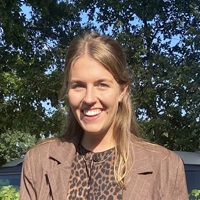
Annalisa Lipp Doktorandin in A13 Lehrstuhl für Behaviorale und Klinische Neurowissenschaften, Ruhr-Universität Bochum
Die Gremien
SFB 1280 Der Rat der Early Career Researcher
Enzo Nio Doktorand A05 Abteilung für experimentelle Neurologie, Universität Duisburg-Essen
Hanna Öhlmann Postdoktorandin A12 Abteilung für medizinische Psychologie, Ruhr-Universität Bochum
Lena Nonnweiler Doktorandin A12 Abteilung für medizinische Psychologie, Universität Duisburg-Essen
Annalisa Lipp Doktorandin A13 Lehrstuhl für Behaviorale und Klinische Neurowissenschaften, Ruhr-Universität Bochum
Lisa Huilmann Doktorandin A13 Forschungs- und Behandlungszentrum für psychische Gesundheit, Ruhr-Universität Bochum
Javier Schneider Penate Doktorand F02 Lehrstuhl für Neuropsychologie, Ruhr-Universität Bochum
SFB 1280 Der Gleichstellungsrat
Robert Reichert Doktorand A01 Lehrstuhl für Biopsychologie, Ruhr-Universität Bochum
Jiaoru Liu Doktorandin A04 Lehrstuhl für Neurophysiologie, Ruhr-Universität Bochum
Alice Doubliez Doktorandin A05 Abteilung für medizinische Psychologie, Universität Duisburg-Essen
Dominic Pundt Doktorand A10 Abteilung für Medizinische Psychologie und Medizinische Soziologie, Ruhr-Universität Bochum
Sandhiya Vijayabaskan Postdoktorand A14 Institut für Neuroinformatik, Ruhr-Universität Bochum
SFB 1280 Der Datenmanagement-Rat
Robert Reichert Postdoktorand A01 Lehrstuhl für Biopsychologie, Ruhr-Universität Bochum
Thomas Ernst Postdoktorant A05 Erwin L. Hahn Institut, Universität Duisburg-Essen
Jaël Caviola Doktorandin A09 Lehrstuhl für Biopsychologie, Ruhr-Universität Bochum
Metin Üngör Projektleiter F01 AG Allgemeine und Biologische Psychologie, Philipps-Universität Marburg
Robert Kumsta Projektleiter F02 Abteilung für Verhaltens- und Kognitionswissenschaften, Universität Luxemburg
Marlene Pacharra Alumni Data Steward INF Fachbereich Forschungsdatenmanagement, Universitätsbibliothek Bochum
Maryam Alashloo Data Steward INF Lehrstuhl für Biopsychologie, Ruhr-Universität Bochum
Nina Winter Projektleiterin INF AG Forschungsdatenmanagement, Ruhr-Universität Bochum
Tobias Otto Projektleiter INF Fakultät für Kognitive Psychologie, Ruhr-Universität Bochum
Wir danken unseren ehemaligen Gremienmitgliedern!
SFB 1280 Der Rat der Early Career Researcher - Ehemalige Mitglieder
Roland Pusch Teilprojektleiter A01, Stellvertretender Beauftragter Lehrstuhl für Biopsychologie, Ruhr-Universität Bochum
Valerie Jentsch neé Kinner Projektleiterin in A09, Beautftragte Lehrstuhl für Kognitionspsychologie, Ruhr-Universität Bochum
Franziska Labrenz Postdoktorandin in A10, A12, Stellvertretende Beauftragte Abteilung für Medizinische Psychologie und Medizinische Soziologie, Ruhr-Universität Bochum
Laura Heiß-Lückemann Postdoktorandin in A18, Stellvertretende Beauftragte Institut für Medizinische Psychologie und Verhaltensimmunbiologie, Universitätsklinik Essen
SFB 1280 Der Vorstand - Ehemalige Mitglieder
Franziska Labrenz Postdoktorandin A10, A12 Abteilung für Medizinische Psychologie und Medizinische Soziologie, Ruhr-Universität Bochum
SFB 1280 Der Gleichstellungsrat - Ehemalige Mitglieder
Roland Pusch Teilprojektleiter A01 Lehrstuhl für Biopsychologie, Ruhr-Universität Bochum
Franziska Labrenz Postdoktorandin in A10, A12 Abteilung für Medizinische Psychologie und Medizinische Soziologie, Ruhr-Universität Bochum
Sarah Weigelt (Alumni) Teilprojektleiterin A16 Fakultät Rehabilitationswissenschaften, Technische Universität Dortmund
Martin Hadamitzky Teilprojektleiter A18 Institut für Medizinische Psychologie und Verhaltensimmunbiologie, Universitätsklinik Essen
SFB 1280 Der Datenmanagement-Rat - Ehemalige Mitglieder
Marlene Pacharra Alumni Data Steward INF Fachbereich Forschungsdatenmanagement, Universitätsbibliothek Bochum
Fatemeh Yavari Projektleiterin A06 Fakultät für Psychologie und Neurowissenschaften, Leibniz-Institut für Arbeitsforschung (IfADo)
As the calendar turns to a new year, millions of people around the world commit to New Year’s resolutions, making promises to use the new year as a fresh beginning and an opportunity for transformation. In 2024, almost three-quarters of the British population set themselves New Year’s resolutions — that’s around 40 million people (or the entire population of Canada). This tradition was particularly strong among younger generations, with 96% of Generation Z (aged 18-27) planning resolutions, compared to just 35% of the Silent Generation (aged 79+).
Most common new years resolutions:
Saving more money (52%)
Eat healthier (50%)
Exercise more (48%)
Lose weight (37%)
Spend more time with family/friends (35%)
How long do most resolutions normally last before being broken?
Data from America (2016) shows that 75% of individuals maintain their resolutions through the first week.
64% of individuals maintain their resolutions through the first month.
46% of individuals in America keep their resolutions past the 6-month mark.
What makes resolutions stick?
Oscarsson et al. (2020) conducted research into what makes New Year’s resolutions stick. Biggest success rates depended on how people phrased their goals. Participants who set approach-oriented goals (trying to move toward or maintain a desirable outcome or state) than those with avoidance-oriented goals (trying to move toward or maintain a desirable outcome or state) were significantly more successful (58.9% vs. 47.1%) at sticking to their goals.
The study also investigates the effects of outside support. These participants received monthly follow-ups and emails with information and exercises for coping with hurdles when striving toward personal goals, and were also encouraged to set goals using the SMART technique and to set interim goals. The group that received some support was exclusively and significantly more successful compared to the groups who received a lot of support or no support at all.
Additionally, you might feel more successful if you set goals that are measurable in numbers. While success for a person striving to quit smoking or lose weight could easily be measured in the number of cigarettes smoked or body mass index, the success for a person striving to „take better care of themselves“ could be highly subjective and possibly impossible to measure.
So as we enter 2026, let’s remember to work with our brain’s natural learning system: Frame your goals positively, break them into manageable steps, and celebrate small wins along the way.