eigen.regie – Ein Abend wegen und gegen Einsamkeit

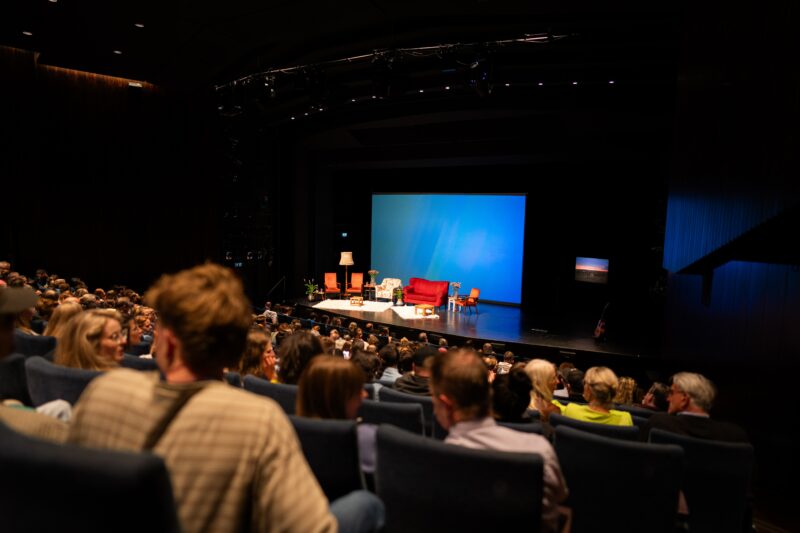
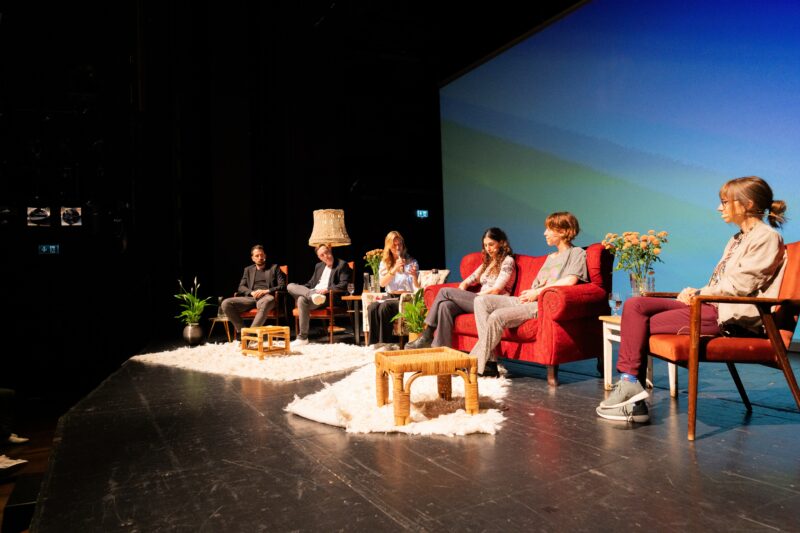
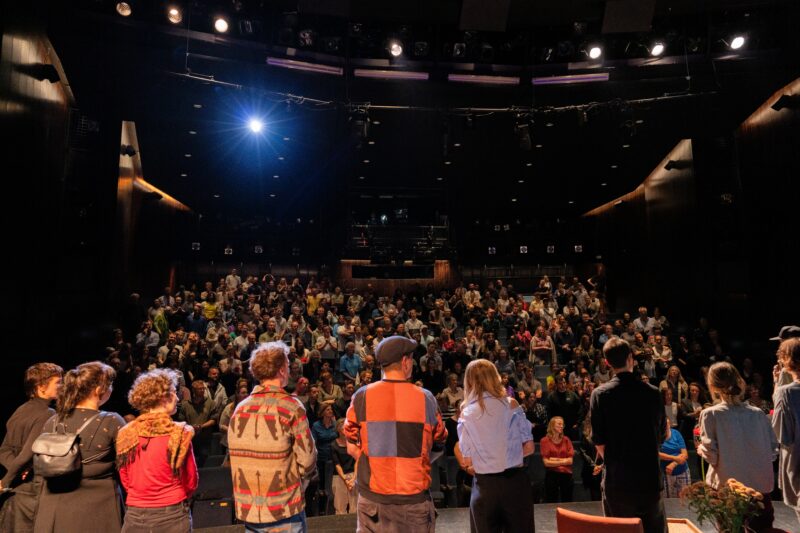
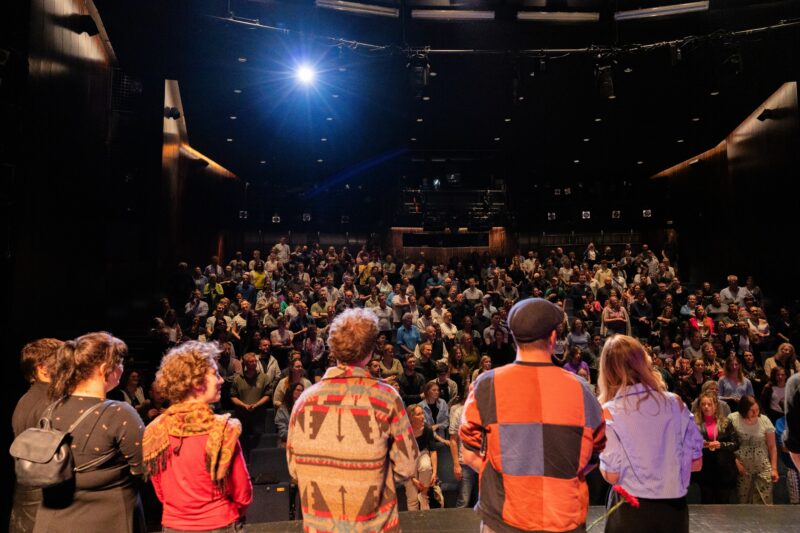
Anlässlich der bundesweiten Aktionswoche „Gemeinsam aus der Einsamkeit“ 2024, ausgerufen durch das Bundesministerium für Familie, Senioren, Frauen und Jugend, fand in den vollen Kammerspielen des Bochumer Schauspielhauses am Dienstag, den 18. Juni um 19.30 Uhr eine Abendveranstaltung zum Thema Einsamkeit statt.
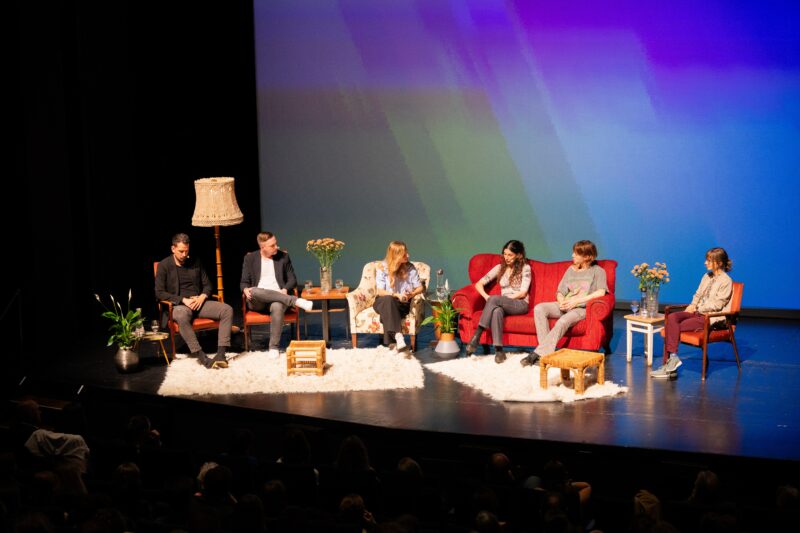
„eigen.regie – Ein Abend wegen und gegen Einsamkeit“ war ein Bühnengespräch mit Menschen, die durch ihre Arbeit, ihren persönlichen Einsatz und ihr Erleben mit dem Thema konfrontiert sind. Weil sie es wissenschaftlich erforschen, politisch lösen möchten, es durch Engagement erträglicher machen oder medial und künstlerisch problematisieren. Bei eigen.regie sprachen so Protagonist:innen aus Wissenschaft, Kultur, Sport, Journalismus und sozialem Ehrenamt über Einsamkeit als Problem und seine Lösbarkeit – unterhaltsam und doch dem Ernst des Themas angemessen.
Beteiligt waren Soziologin Dr. Marie-Kristin Döbler (FAU Erlangen-Nürnberg), der Musiker Joris, Poetry Slammer Sebastian 23, ToM – Theater ohne Mittel, die Moderatorin, Journalistin und DJ Miriam Davoudvandi, Steven Bauernfeind von der Nightline Bochum, der ehemalige VfL-Bochum-Spieler und langjähriges Vorstandsmitglied Patrick Fabian und die Musikerin Antje Schomaker unter Moderation von Freddie Schürheck von Radio 1Live und Sat1 und mit einem Video-Grußwort von NRW-Ministerpräsident Hendrik Wüst.
Neben diesem Gesprächsformat fanden in der gesamten Aktionswoche zudem insgesamt 7 Workshops statt, in denen ganz unterschiedliche gesellschaftliche Gruppen sich auf eine gemeinsame Suche nach konkreten Lösungsideen, gemeinschaftlichen Wünschen und politischen Spielräumen gemacht haben. Die Workshops fanden in Kooperation mit städtischen Initiativen, Vereinen und Verbänden, u.a. der Ruhr-Universität Bochum und dem VfL Bochum, statt.
Der SFB 1280 hat mit seinem Ö-Projekt die Ausrichtung dieses Abends tatkräftig unterstützt, weil wir das Projekt als außerordentliche Gelegenheit wahrnahmen, über Forschungs- und Gesellschaftsgrenzen hinweg den Dialog über ein relevantes psychisches Phänomen unterstützen zu können, das alle betrifft und das auch im universitären Umfeld stattfindet. Nachdem der SFB 1280 im letzten Jahr selbst die große Ehre hatte, Braintalks im Schauspielhaus Bochum ausrichten zu können, haben wir basierend auf dieser Erfahrung die Initiative eigen. ermutigt und unterstützt, auch ihrem Anliegen eine Veranstaltung vor und mit der öffentlichen Stadtgesellschaft zu widmen. eigen. ist eine ehrenamtliche Initiative, die sich aktiv der wachsenden Herausforderung Einsamkeit verschrieben hat.
Idee und Ausrichtung: Tim Kramer, Sonja Israel (eigen.ruhr)
Unterstützung und Kooperation: SFB 1280, Ruhr-Uni Bochum, VfL Bochum, Stadt Bochum uvw.
Mehr zur Initiative „eigen.“: www.eigen.ruhr/eigenregie oder www.instagram.com/eigen.bochum/
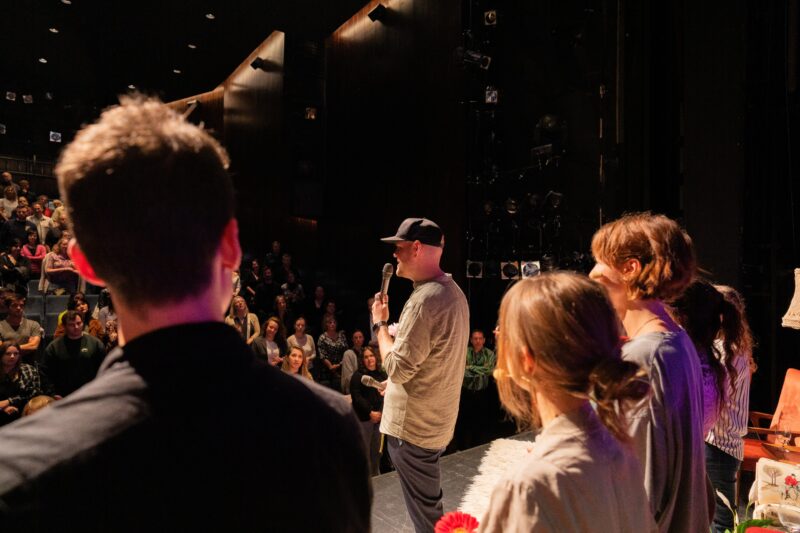
Impressionen vom Abend:
Credits:
Fotos: © Finn Kantus
Veranstaltungs-Plakat: © Tim Kramer und Sonja Israel (eigen.)