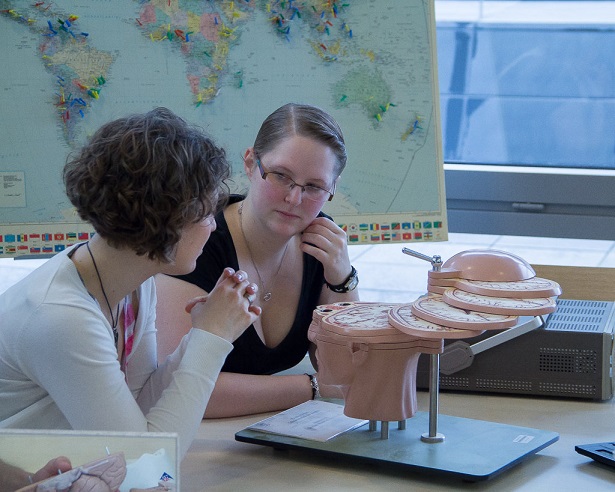
Discover the SFB 1280

Live in person, via Audio or Video
Allowing people to participate in our research is a real concern for us. And finding creative ways to do so is even more so. Extinction learning is a complex phenomenon, but we are all familiar with it from everyday life. We are constantly coming up with a wide range of communication formats to tell people outside the university about what we are researching.
In our rather successful podcast “Kannste Vergessen”, researchers give a detailed insight into their current work in dialogue, curiously interviewed by our presenter Rainer Holl, who summarizes even the most complex science in a way that is understandable for a lay audience.
If you would like a brief overview of the various sub-projects, you can take a look at our vidcasts.
And the SFB 1280 is also regularly available on site – at our events in and around Bochum.
If that’s not enough, just take a look at our media library >> . Here you will find everything about extinction learning from us and our partners.
Podcast – Kannste Vergessen with Rainer Holl >>
Learning is hard. Forgetting is sometimes even harder. How do you get rid of what you’ve learned?
That’s what Rainer Holl, author, moderator and poetry slammer, wants to know and understand. To this end, he interviews scientists from the SFB 1280 Extinction Learning about their research. Look forward to peering into the brain’s cards! Expect fascinating insights from the fields of Psychology, Biopsychology and Neuroscience, a look behind the scenes of everyday scientific life, and a poetic recording at the end of each episode.
With three seasons (+) now under its belt, “Kannste Vergessen?” really does have an episode for everyone. What does happiness mean? What can we learn from the stories people tell? How do you treat fear of heights? What is the human mind and how does it differ from artificial cognition?
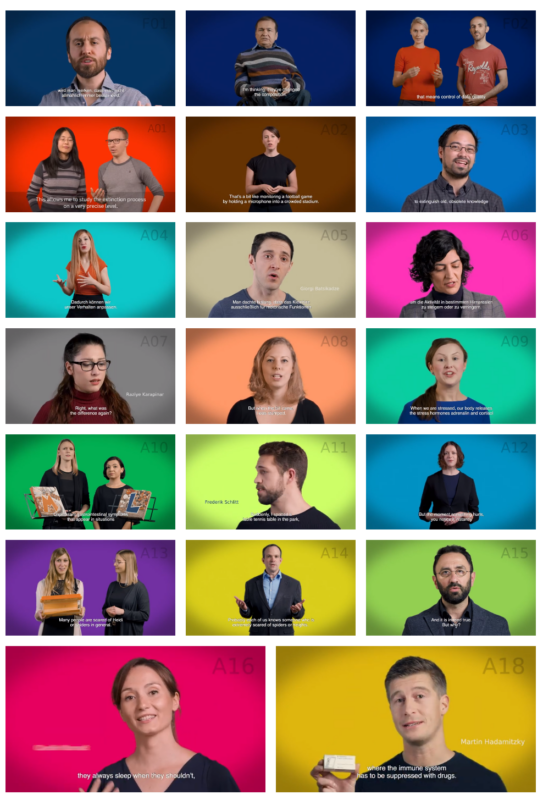
Vidcast – The subprojects from the first funding period introduce themselves >>
In the short vidcasts, the sub-projects describe their work, explain what they are researching and give an insight into how the findings can help people in the future.
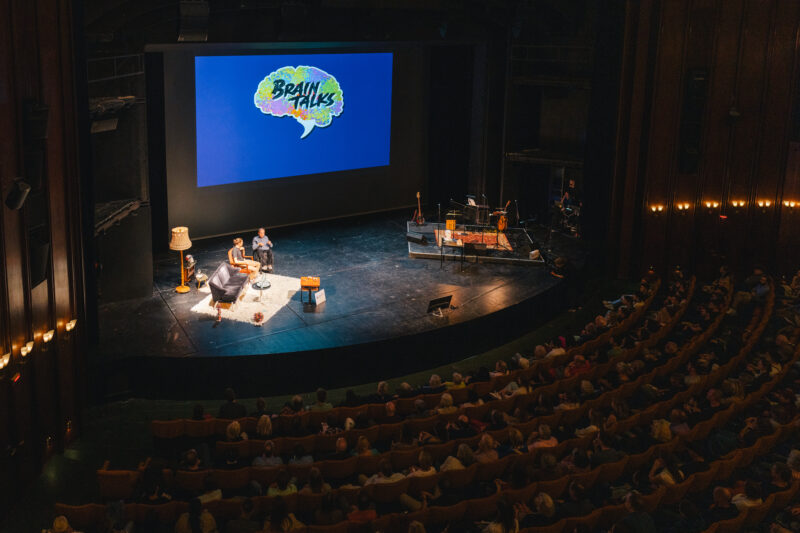
Events – On the stage, in the cinema, in dialog >>
We want to make our research tangible with our events.
Live on stage at Schauspielhaus Bochum: A full-length stage program in one of the most renowned and internationally renowned German theaters – all about neuroscience.
Or together with our colleagues from the RUB Institute for Media Studies and the Oberhausen Short Film Festival in the cinema hall with short films on the topics of remembering and forgetting.
We also look forward to the lively exchange with our colleagues from all over the world in the colloquium series “SFB 1280 presents”.
Or take part yourself?
Students are always welcome to get to know the university and the neuroscience department. Who knows, maybe you will like it on campus? The SFB 1280 would like to invite you to share your enthusiasm for neuroscience. You can find some suggestions on how to do this here >>.
Do you want to contribute to science yourself, even without specialist knowledge? Then it’s worth taking a look at the digital study databases to create knowledge as a test person.
Your studies were good, now you are looking for a topic that captivates you for your Bachelor’s or Master’s thesis? Perhaps the SFB 1280 has an idea, or perhaps you do. The Coordination Office would like to hear about your suggestion. Simply write to the Coordination Office or – if you are on campus – drop by the office in IB 6/113.
Are you considering getting to know the SFB 1280 as a scientific guest and contributing your expertise to the extinction network? Just send our coordinator Sandra Linn your qualified introduction. Write a short e-mail explaining what your expertise is and which questions or research areas you are interested in.
You can contact us at any time here >>