
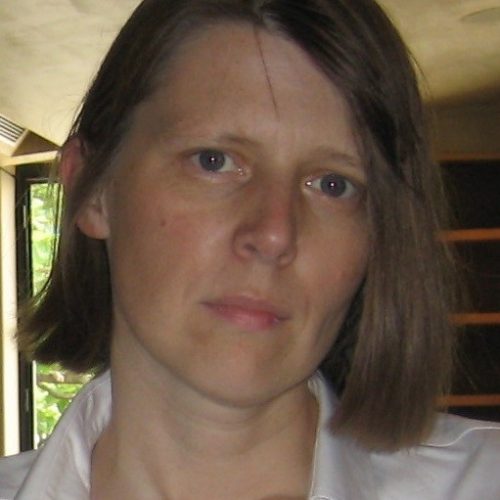
Diane Ruge
Projektleiterin A06dˈiːana rˈuːɡe
IfADo
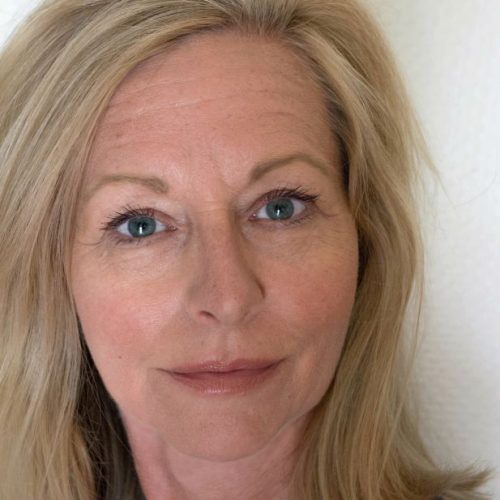
Silke Lissek
Projektleiterin A08zˈɪlkə lˈɪseːk
Ruhr-Universität Bochum
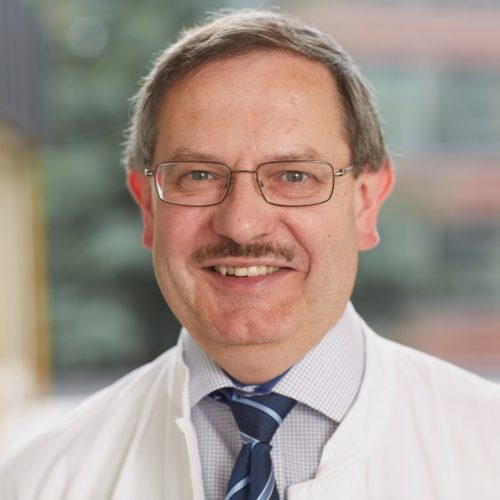
Martin Tegenthoff
Projektleiter A08ˈmaʁtiːn tˈeɡənˌtɔf
Ruhr-Universität Bochum
Silvia Schneider
Projektleiterin A16zˈɪlviːɑː ʃnˈa͡ɪdɜ
Ruhr-Universität Bochum
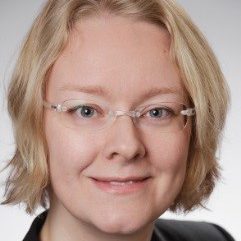
Sarah Weigelt
Projektleiterin A16zˈɑrɑː vˈa͡ɪɡəlt
Technische Universität Dortmund
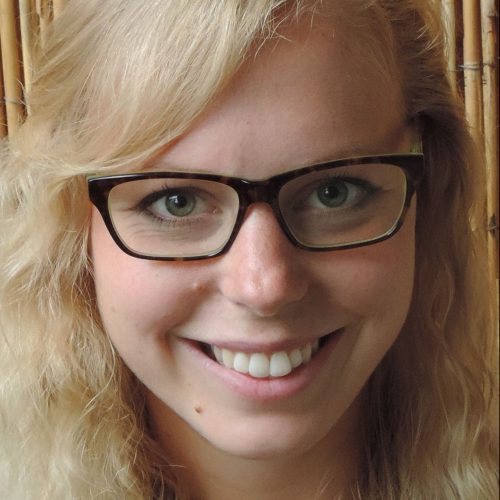
Anne Klass
Postdoc A08ˈanə klˈas
Ruhr-Universität Bochum
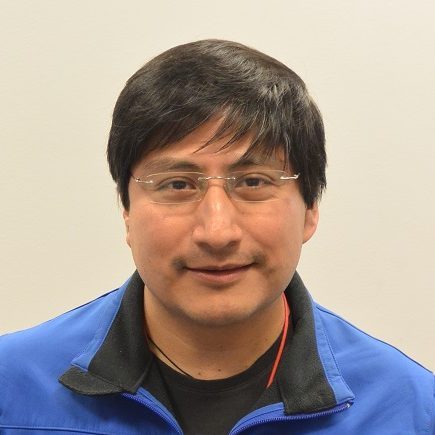
Carlos Trenado Colin
Postdoc A06kˈɑɾlos tɾenˈaðo kolˈĭn
IfADo
Patrick Friedrich
Postdoc A03pˈatrɪk frˈiːdriç
Ruhr-Universität Bochum
Meng Gao
POSTDOC A01mˈɛŋ ɡˈa͡ʊ
Ruhr-Universität Bochum
Julian Packheiser
Postdoc A01jˌuːliːˈɑːn pˈakhaɪzɜ Ruhr-Universität Bochum
Lorena Deuker
Postdoc F02loˈʁeːna dɔɪ̯kɜʁ
Ruhr-Universität Bochum
Marieke van der Schaaf
Postdoc A11maˈʁiːˌke van dɛʁ ʃaf
Universität Duisburg-Essen

Shira Meir-Drexler
Postdoc A09ʃˈi͡əɹa mˈɛə-dɹˈɛkslə
Ruhr-Universität Bochum
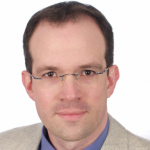
Thomas Walther
Postdoc A14ˈtoːmas vˈaltɜ
Ruhr-Universität Bochum

Marie-Christin Fellner
Postdoc A02maˈʁiː-ˈkrɪstiːn fɛlnɛʁ
Ruhr-Universität Bochum

Liubov Petrakova
Postdoc A10, A12lʲʊəˈbof pɛtɹɔk.ə͡ʊvə
Ruhr-Universität Bochum
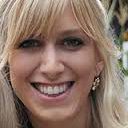
Friederike Raeder
Postdoc A13frˈiːdeːrˌɪkə rˈɛːdɜ
Ruhr-Universität Bochum
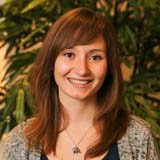
Carolin Konrad
Postdoc A16kˌɑroːlˈiːn kɔnrˈɑːt
Ruhr-Universität Bochum
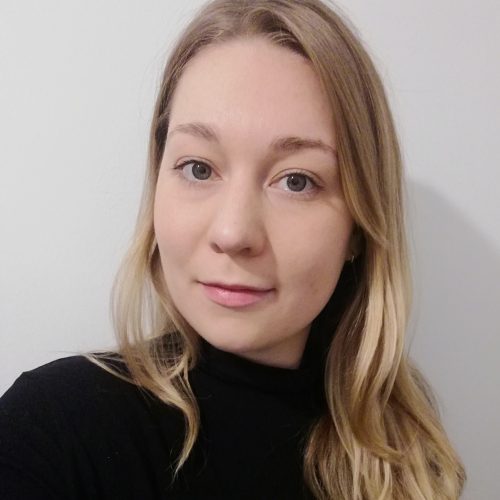
Alina Nostadt
Doktorandin A08əˈliːna nˈoʃtadt
Ruhr-Universität Bochum
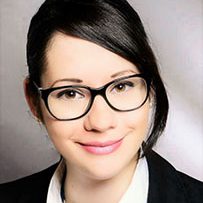
Julie Jagusch-Poirier
Doktorandin A16d͡ʒuːlˈiː jˈɑɡʊʃ-pwa.ʁje
Technische Universität Dortmund
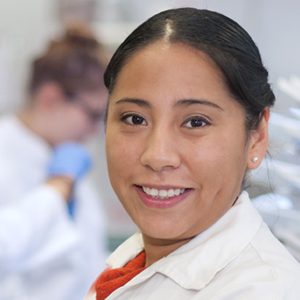
Elian Martinez-Gomez
Doktorandin A18ˈeljan mˌaɾtinˈeθ-ɡomˈeθ
Universität Duisburg-Essen
Franziska Heidemann
Doktorandin A13frant͡sˈɪskɑː hˈa͡ɪdeːmˌan
Ruhr-Universität Bochum
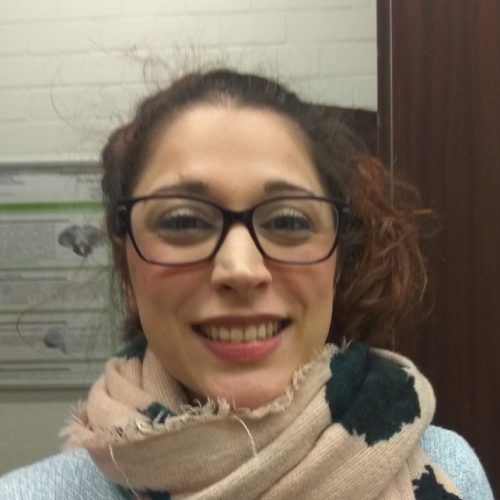
Raziye Karapinar
Doktorandin A07Ruhr-Universität Bochum
Benjamin Glaubitz
MRT Physiker A08ˈbɛnjamiːn ɡlˈa͡ʊbɪt͡s
Ruhr-Universität Bochum
Christoph Ritter
MRT Physiker A05kɾˈɪstof ˈʁɪtɐ
Universität Duisburg-Essen
Alexandra Labanski
Studienärztinˌɑlɛksˈɑndrɑː labˈɑnskiː
Christoph Bamberg
Wissenschaftlicher Mitarbeiter A16kɾˈɪstɔf bˈambɛɾk
Technische Universität Dortmund

Rebekka Heinen
Doktorandin A02reːbˈɛkɑː hˈa͡ɪnən
Ruhr-Universität Bochum

Bianca Hagedorn
Doktorandin A09ˈbi̯ɑŋka hˈɑɡeːdˌɔɾn Ruhr-Universität Bochum
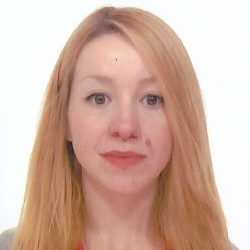
Marta Méndez-Couz
Postdoc A04Ruhr-Universität Bochum
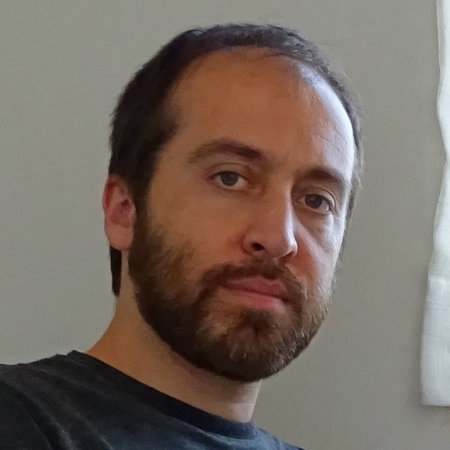
Jose Ramon Donoso
Postdoc F01χo-swe ha͡ʊβɾˈiç
Ruhr-Universität Bochum
Noemi Rook
Postdoc A01nˈɔeːmi ɹˈʊk
Ruhr-Universität Bochum
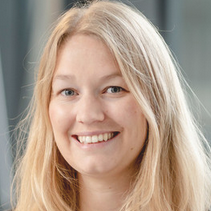
Lisa Bischoff
Redakteurin Ölˈiːzɑː bˈɪʃɔf
Ruhr-Universität Bochum
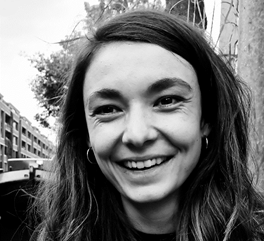
Ronja Regener
Doktorandin A13rˈɔnjɑː rˈeːɡənɜ
Ruhr-Universität Bochum
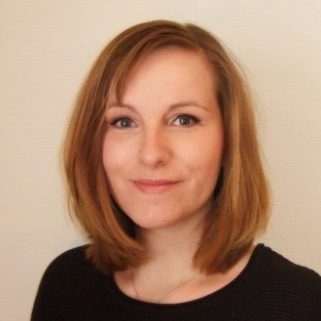
Katarina Forkmann
Projektleiterin A11kataˈʁiːna fˈɔɾkmɑn
Universität Duisburg-Essen
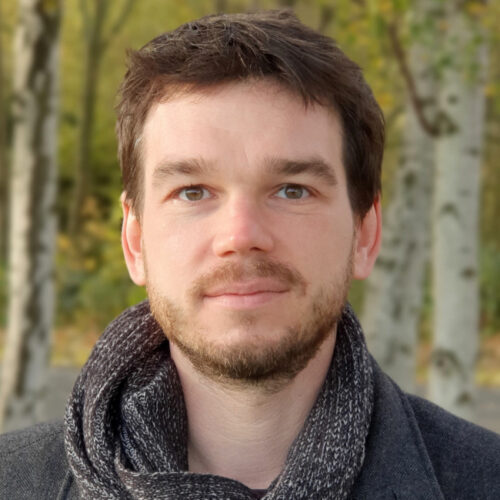
David Kappel
Postdoc A14daːvˈiːt kˈapəl
Ruhr-Universität Bochum
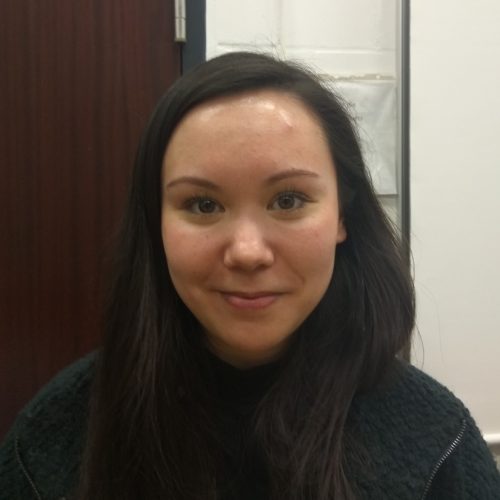
Sandra Süß
Postdoc A07zˈɑndɾɑː zyːs
Ruhr-Universität Bochum
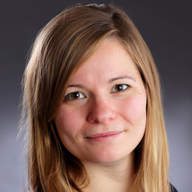
Katharina Beck
Doktorandin A09kataˈʁiːna bˈɛk
Ruhr-Universität Bochum
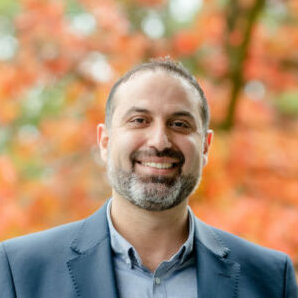
Omar Chehadi
Postdoc A10oːˈmar tʃɛˈhɑːdi
Ruhr-Universität Bochum
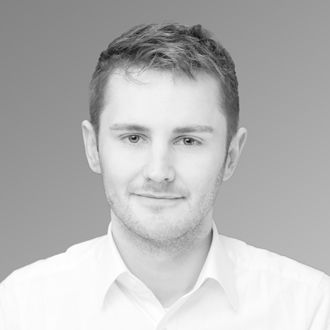
Robert Jan Pawlik
Postdoc A12rˈobɜːʁt jˈɑn pˈavlɪk
Ruhr-Universität Bochum
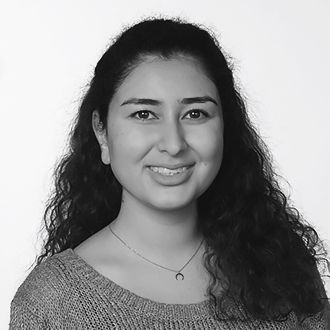
Yasmin Salem
Doktorandin A18jæzˈmɪn sɑːlɛm
Universität Duisburg-Essen
Pauline Bohne
Doktorandin A21pa͡ʊlˈiːnə bˈoːnə
Ruhr-Universität Bochum
Patricia Lössl
Studentische Mitarbeiterin A07Ruhr-Universität Bochum
Robert Englert
Doktorand F02rˈobɜːʁt ɛŋlɜʁt
Universität Duisburg-Essen
Jaspreet Kaur
Doktorandin A11dʒəsˈpriːt kɔːr
Universität Duisburg-Essen
Giorgi Batsikadze
Postdoc A05Universität Duisburg-Essen
Bilge Albayrak
Postdoc A05 (assoziiert)bˈilɡe albˈajrak
UK Essen - Klinik für Kinderheilkunde
Mykola Petrenko
Postdoc A05mɨˈkola pɛtɹˈɛŋkɔ
Universität Duisburg-Essen
Marlene Pacharra
Data Steward INFRuhr-Universität Bochum
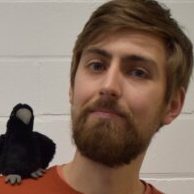
Lukas Hahn
Postdoc A19lˈuːkɑːs hˈɑːn
Ruhr-Universität Bochum
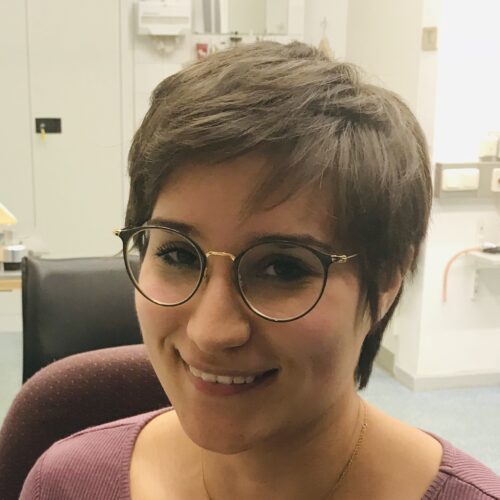
Lana Inoue
Postdoc A05ˈlɑːnə ɪˈnoʊ.e
Universität Duisburg-Essen
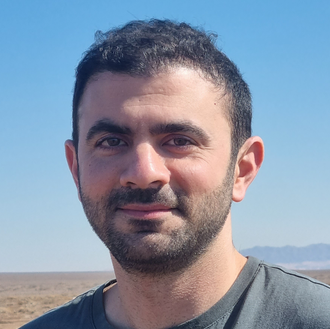
Behnam Ghazinouri
Doktorand A14bˈeːnɑm ɡat͡siːnˌuːriː
Ruhr-Universität Bochum
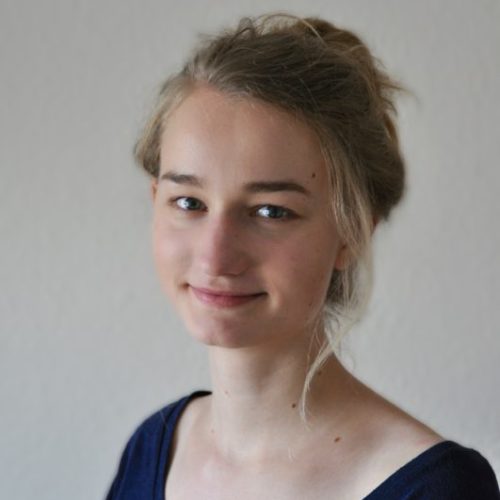
Johanna Pakusch
Postdoc A21joːhˈɑnɑː pˈɑkʊʃ
Ruhr University Bochum
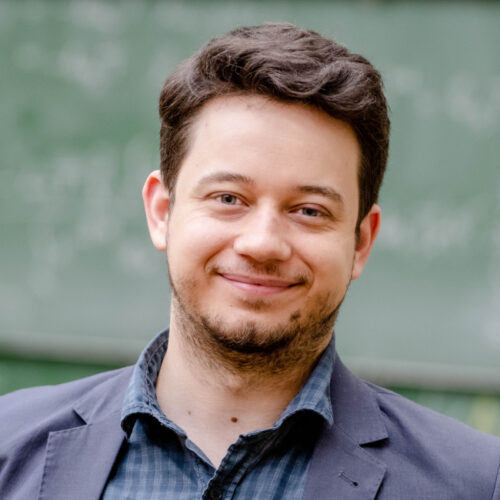
Nicolas Diekmann
Neuroinformatics Specialist F01ˈnɪkolas diːkˈman
Ruhr-Universität Bochum

Laura Heiß-Lueckemann
Postdoc A18ˈlaʊ̯ʁa haɪ̯s-ˈlʏkəman
Universität Duisburg-Essen
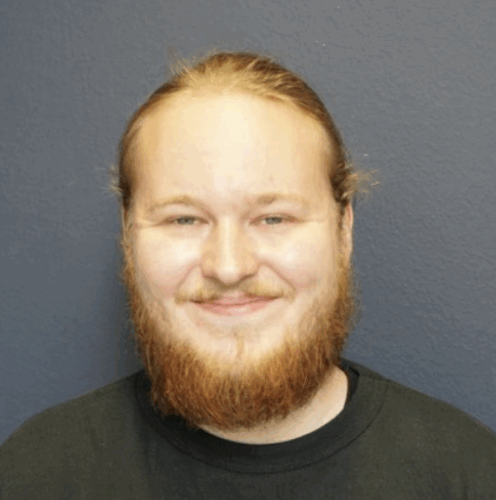
Hans Marius Lange
Studentische Hilfskrafthˈɑːns mˈɑriːus lˈɑŋə
Ruhr-Universität Bochum
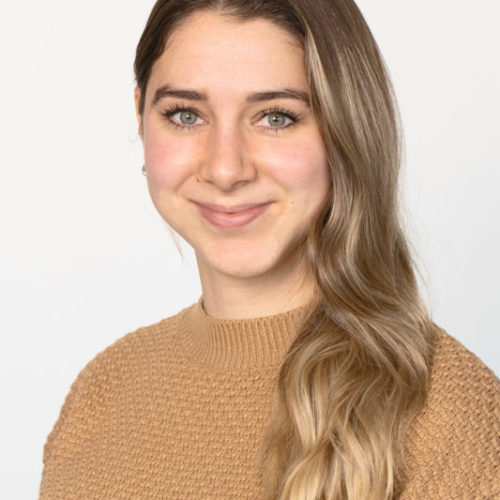
Marie Jakobs
Doktorandin A18maˈʁiː jaˈkɔps
Universität Duisburg-Essen
Manfred Schedlowski
Projektleiter A18mˈanfreːt ʃɛdlˈɔvskiː
Universität Duisburg-Essen
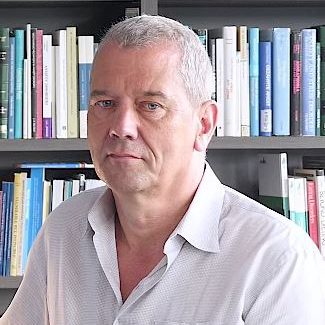
Jürgen Margraf
Projektleiter A13jˈyɾɡən mˈɑɾɡɾɑːf
Ruhr-Universität Bochum
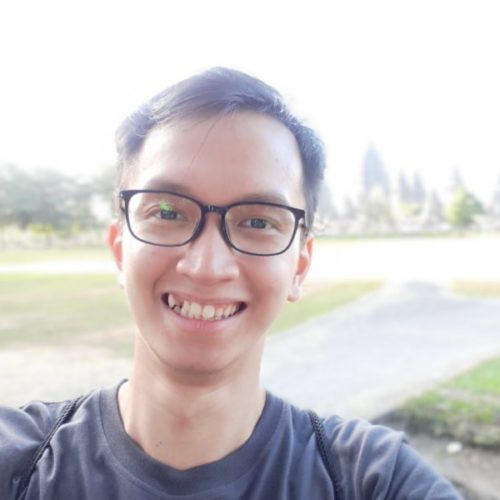
Genisius Hartanto
Postdoc A10d͡ʒəˈnɪsiəs hɑrˈtantoʊ
Ruhr-Universität Bochum
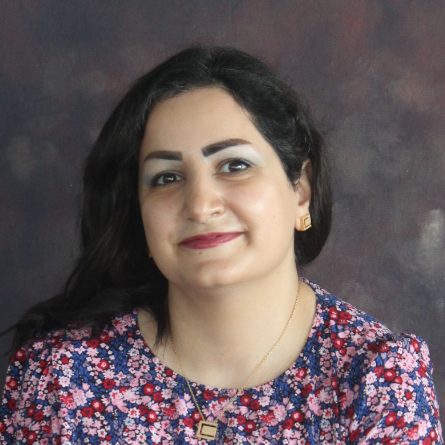
Mina Khodadadi
Postdoc A01Ruhr-Universität Bochum